Vehicle dynamic robot
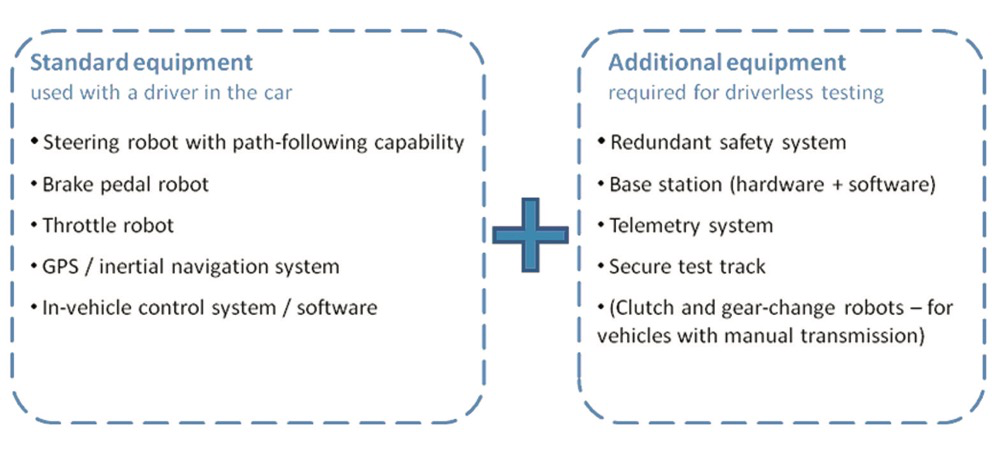
The Vehicle Dynamics Test Robot series consists of steering robots, brake pedal robots, throttle pedal robots and gearshift/clutch robots. By applying precise, repeatable inputs to the vehicle's steering, braking, throttle and gearshift mechanisms, it performs high-precision vehicle dynamics testing on the road or in the laboratory. Among them, steering robots have been widely used around the world, with over 1350 systems currently in service. In addition to vehicle dynamics testing and steering system development, their path-following function can also be used in various tests unrelated to the steering system. Since 2008, we have integrated the series of robots with the path-following function into a driverless testing system, enabling driverless testing without an occupant on board and reducing test personnel risk; it is mainly applied to vehicle dynamics testing, ADAS (Advanced Driver Assistance System) testing, abuse testing and durability testing.
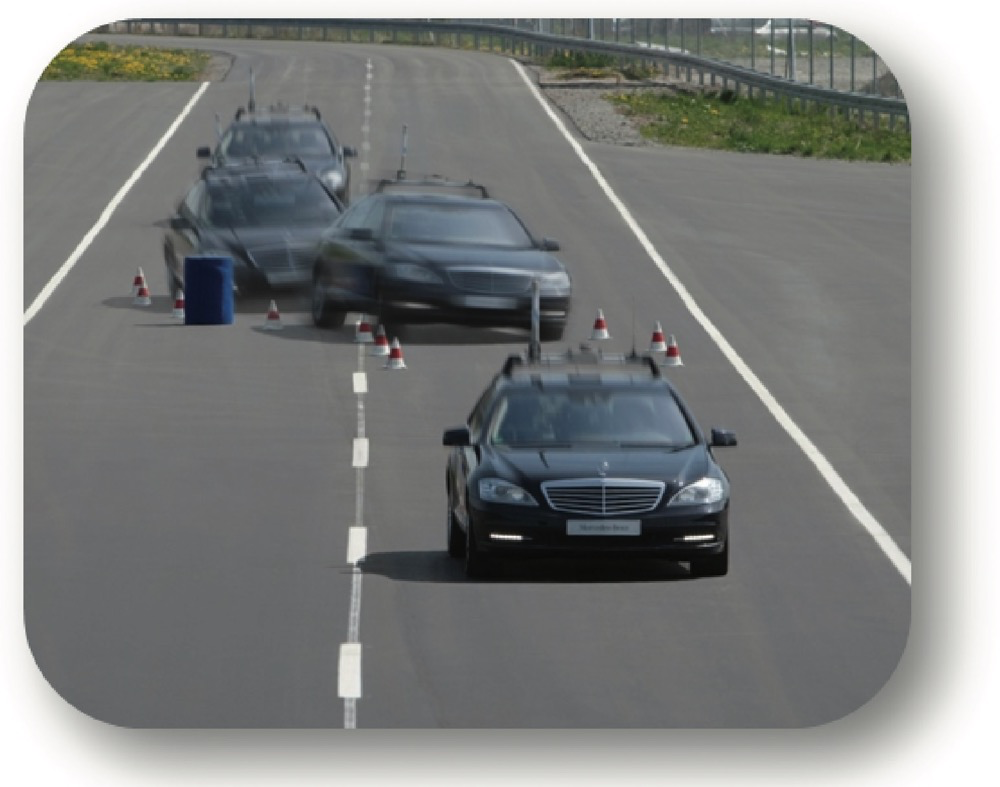
Combined with a GPS-corrected inertial motion measurement system, the steering robot can guide the vehicle along a set path: with a DGPS differential motion package, path-following accuracy can reach 2 cm and the maximum path-following speed can reach 220 km/h. It is commonly used in obstacle avoidance tests, such as constant-radius circle tests for oversteer or understeer, the ISO double lane change test, the slalom test and closed-loop lap timing tests. The path can be created in three ways: recorded by learning through manual driving, drawn with geometric line segments in path generation software, or built from raw ASCII data.
Product Features
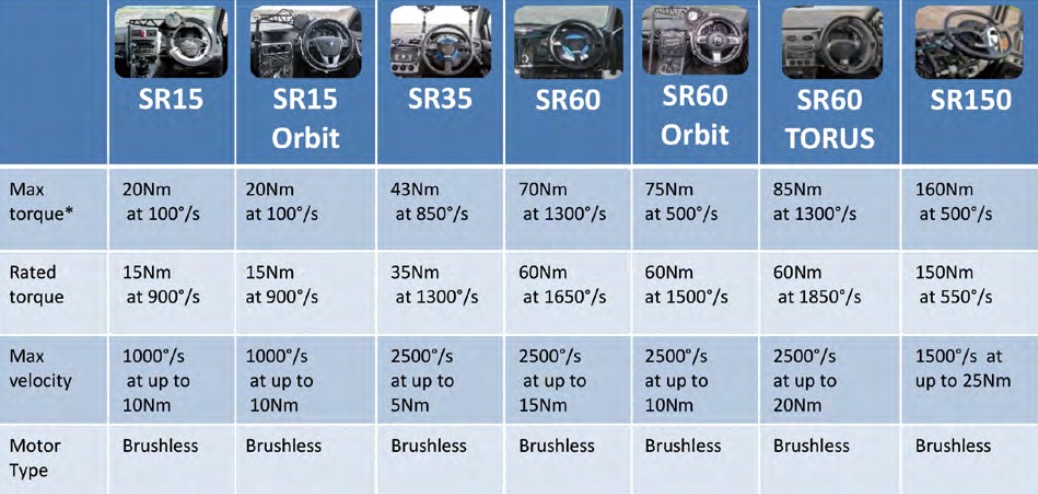
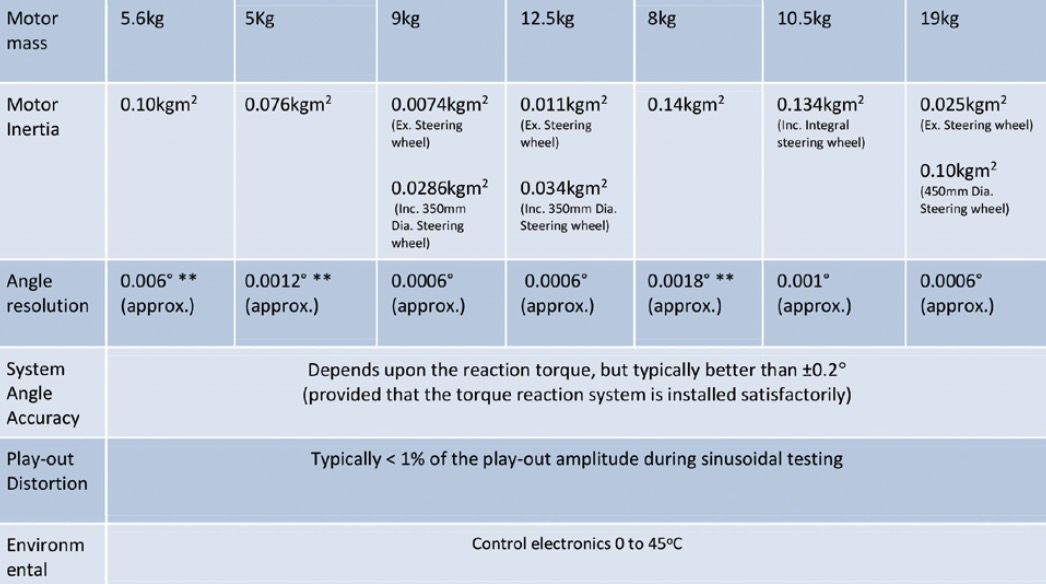
·The steering robot series is computer-controlled; the typical models SR30 and SR60 provide rated torque outputs of 30/60 N·m, and the SR150 provides a rated torque of 150 Nm @ 550°/s, and can be used for testing of trucks or buses under power-steering failure conditions (such as certification tests); the system angular accuracy is typically better than ±0.2° (depending on the reaction torque and the correct installation of the torque reaction system)
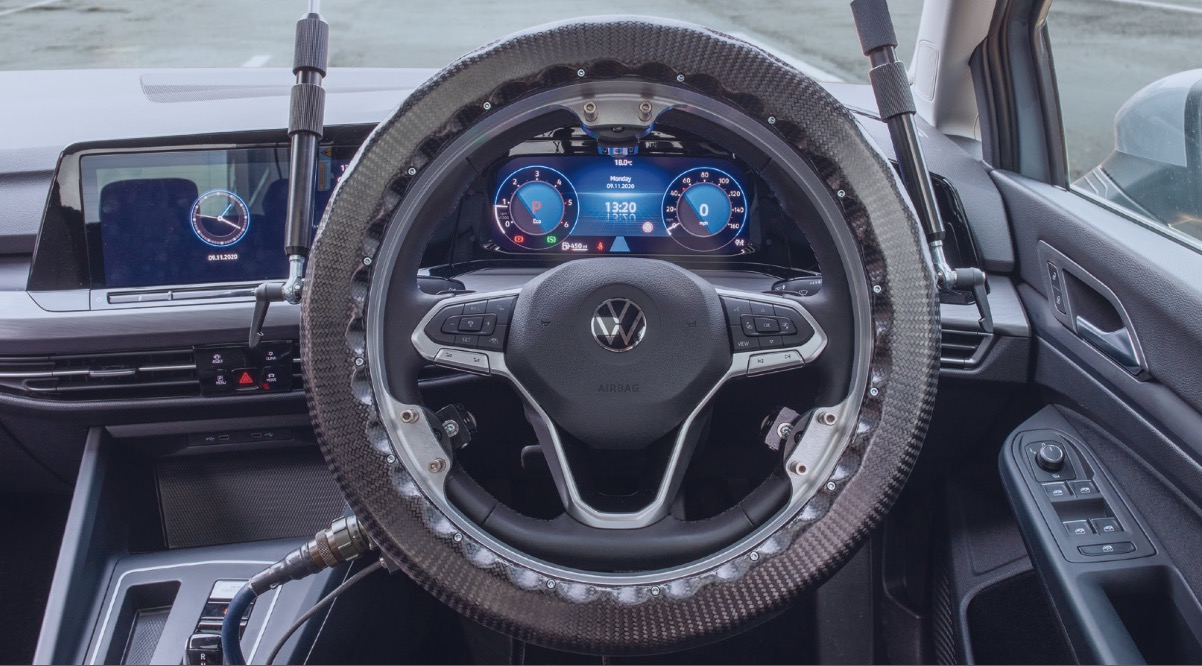
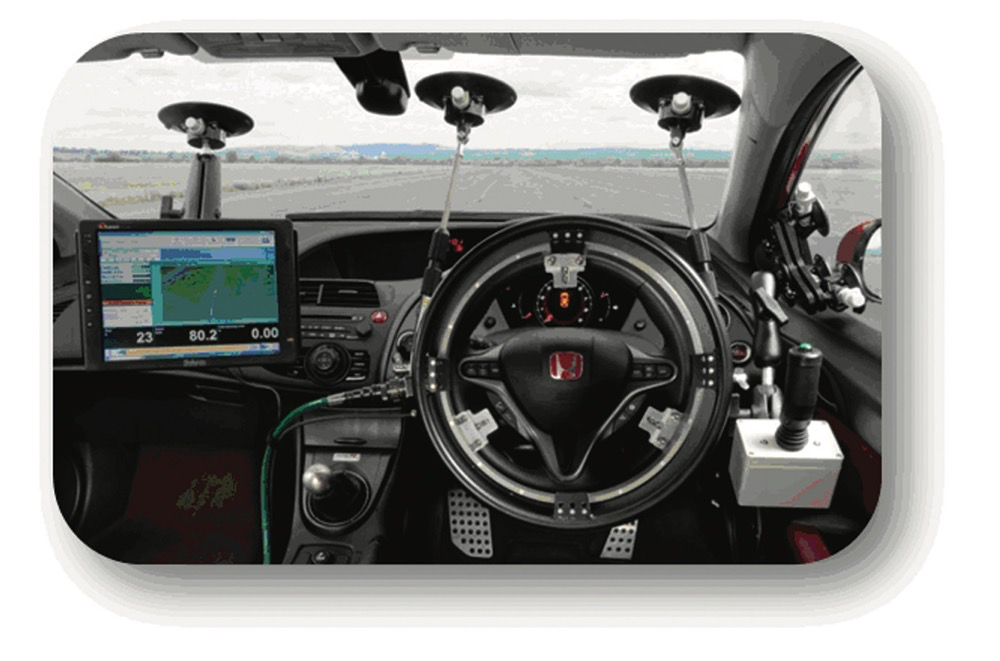
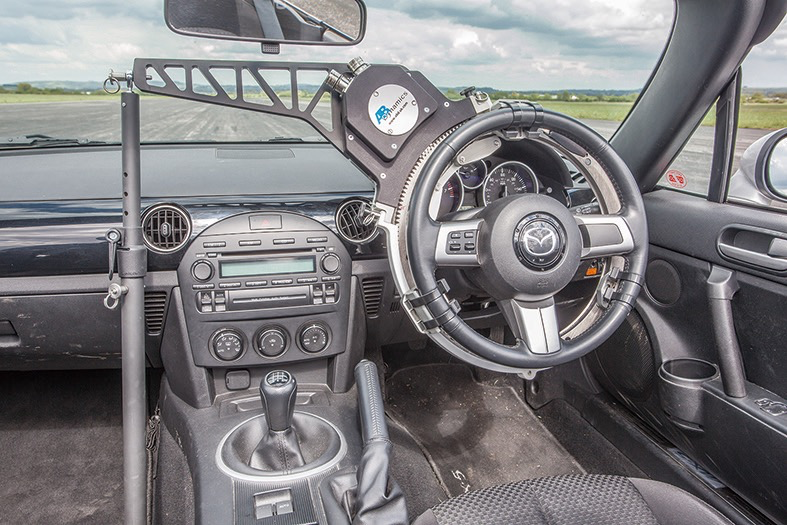
·The Halo ring motor uses a low-friction direct-drive motor and a lightweight housing; compared with the SR60 Torus, its moment of inertia is reduced by 8.5% and its open-loop friction is reduced by 30%; the hollow design allows the airbag to deploy normally, and it is suitable for tests such as handling stability, ESC, AEB, ADAS and Euro NCAP Emergency Steering Support (ESS)
·The steering robot supports steering wheel angle control and torque control, and offers two installation methods: direct installation (onto the steering column) and indirect installation (onto the original vehicle steering wheel via an adapter). It has a large number of built-in standard test templates such as SR Single Sine, SR Slowly Increasing Steer, FMVSS126 and Regulation 13-H.
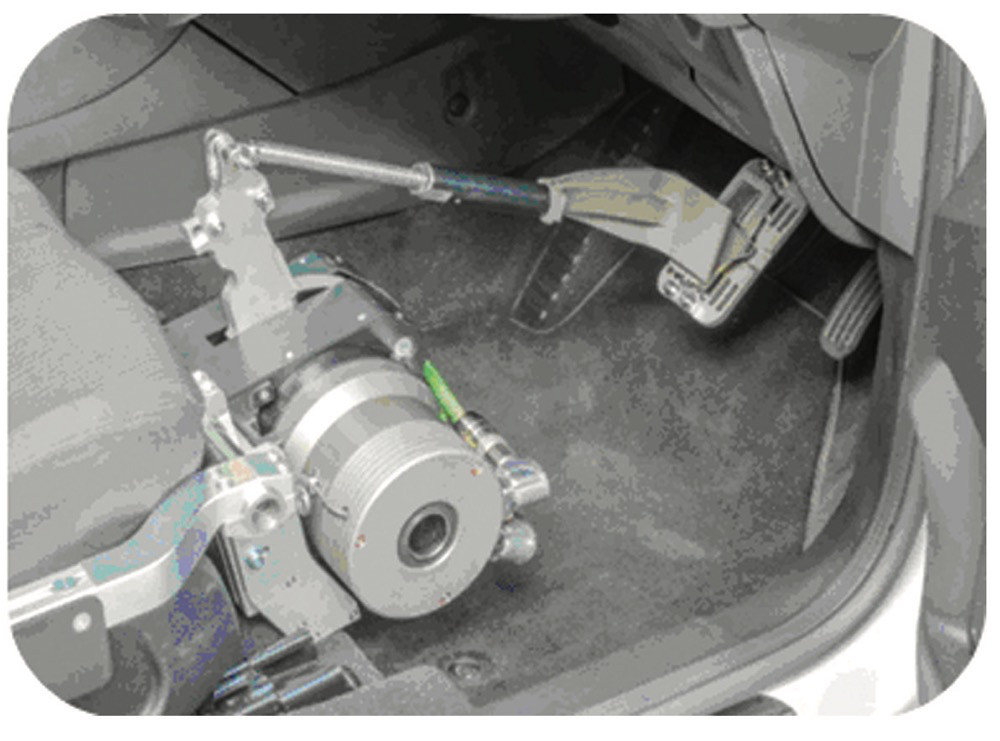
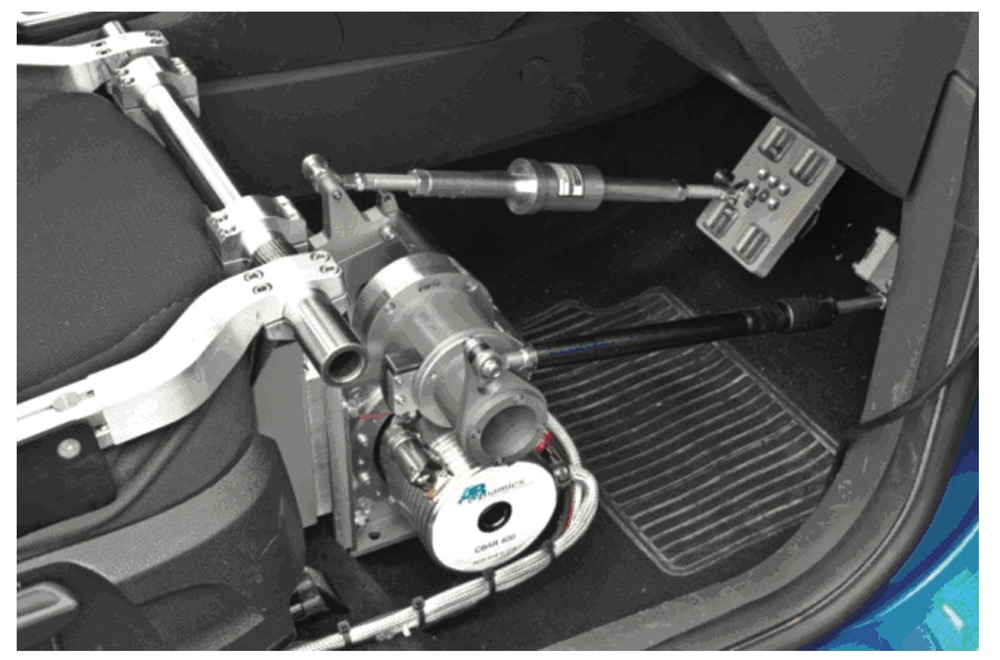
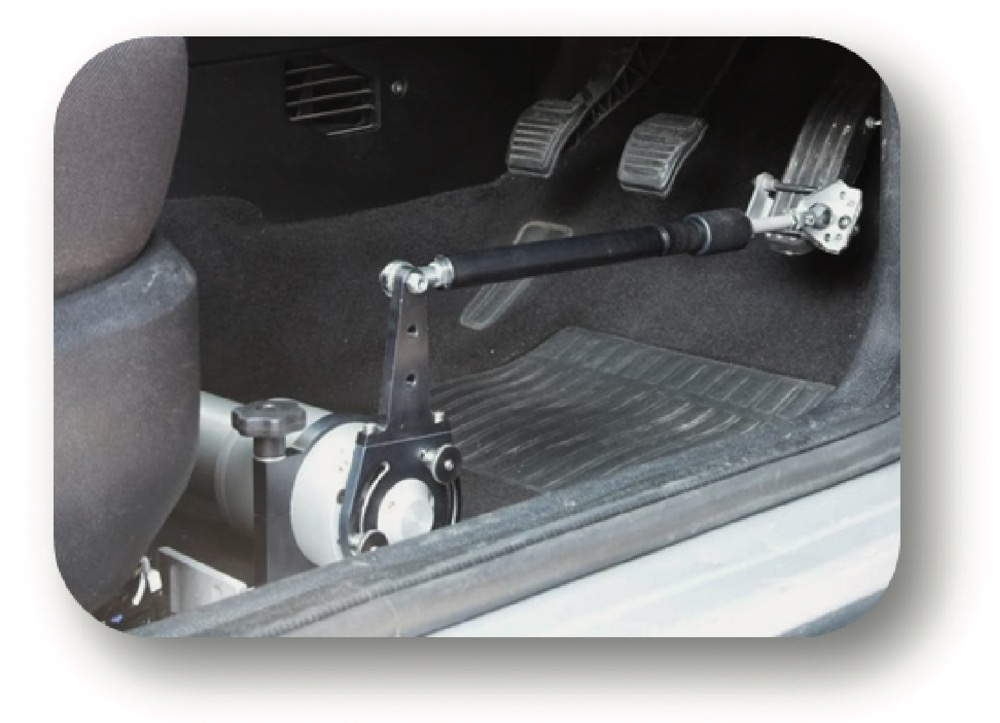
·The brake pedal robot supports five control modes: position, force, deceleration, brake line pressure and auxiliary speed control; after installation the vehicle can still be driven normally and safely, no drilling into the vehicle is required, and it can measure pedal travel (high-precision encoder) and braking force (two optional force sensors).
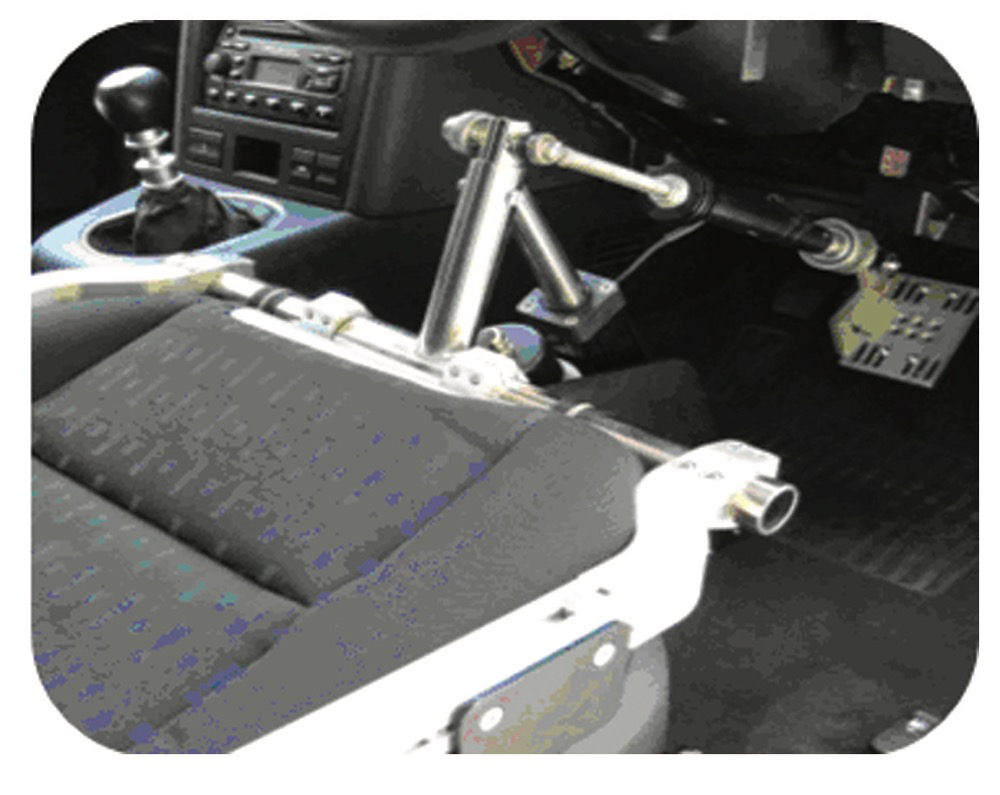
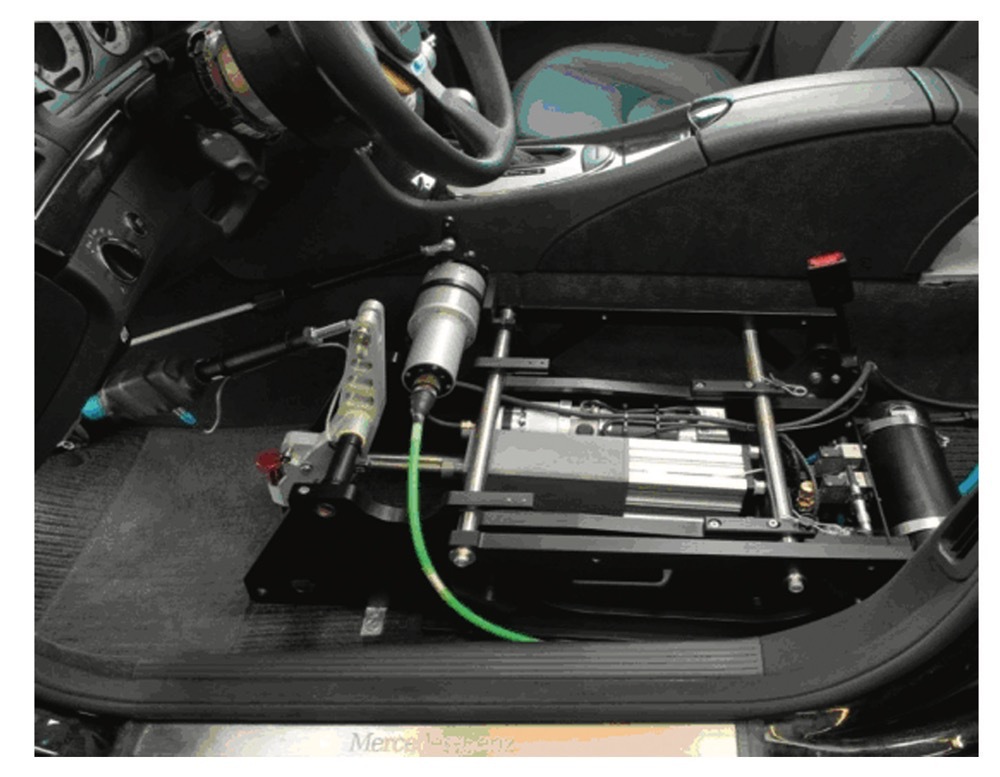
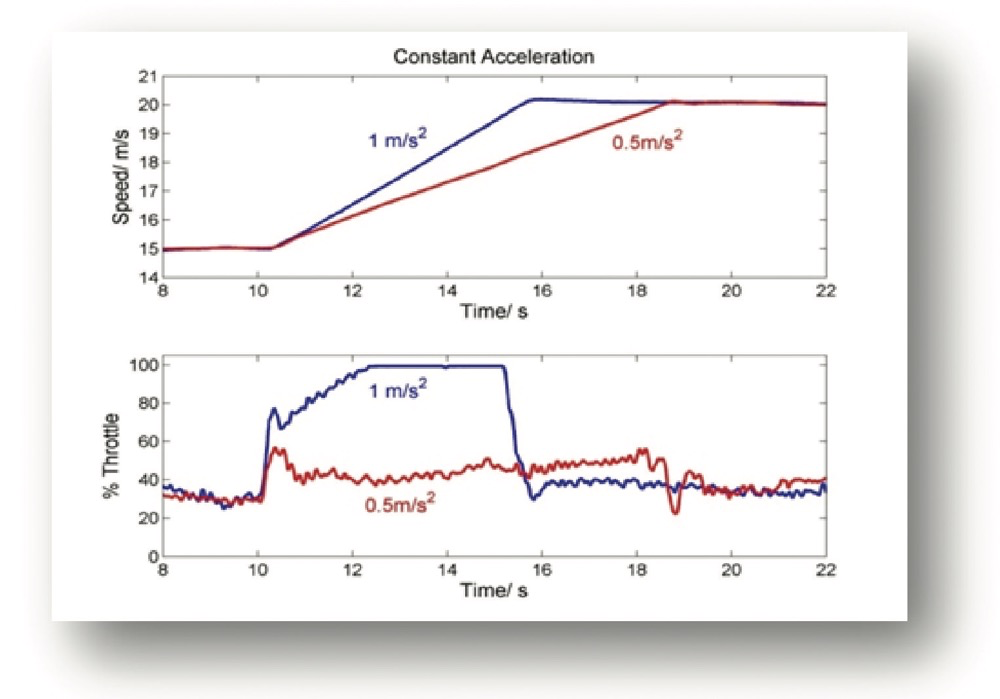
·The throttle pedal robot AR1 is simple and quick to install (onto the seat rail) and is compatible with various speed feedback sensors such as GPS, fifth-wheel, wheel-speed encoders and vehicle CAN bus speed data.
·The robots can be combined with each other to form a driverless testing system, enabling driverless testing without an occupant on board.
Main Products / Sub-products
Steering robots (SR15/SR35/SR60/SR150, etc.)
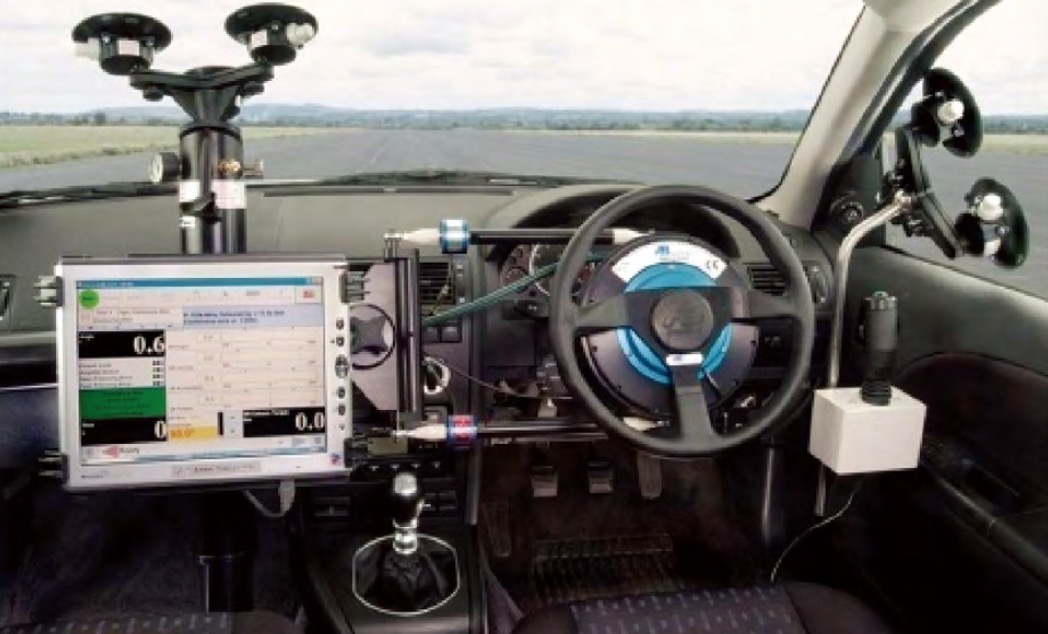
A precise and repeatable testing device controlled by a computer that applies inputs to the vehicle's steering system. The standard models SR30 and SR60 provide rated torques of 30/60 N·m; the SR150 is the model with the highest torque (rated 150 Nm @ 550°/s, with a short-term maximum of 160 Nm @ 500°/s), suitable for certification tests of trucks, buses and under power-steering failure conditions. There are also hollow ring motor models such as the SR15 Orbit, SR60 Orbit and SR60 Torus, some of which support sine stall/fishhook tests, durability/abuse testing and the SPT plugin.
Halo ring motor steering robot
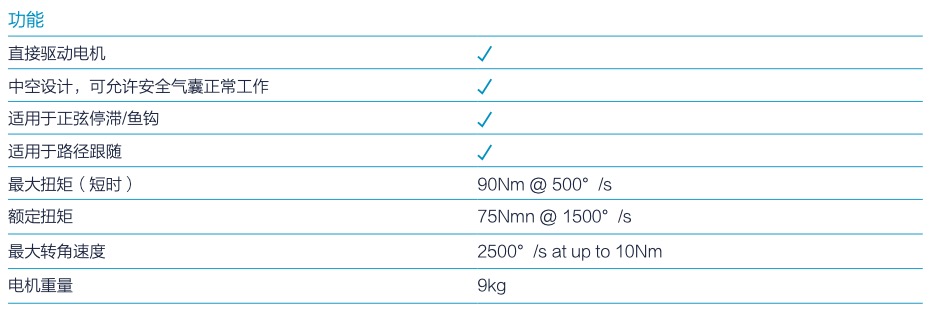
A hollow ring steering robot with a low-friction-coefficient direct-drive motor and lightweight housing material, featuring low moment of inertia and friction, while retaining the advantage of the hollow ring motor that allows the airbag to deploy normally. Maximum torque (short-term) 90 Nm @ 500°/s, rated torque 75 Nm @ 1500°/s, maximum steering speed 2500°/s (below 10 Nm), motor weight 9 kg.
TD-type torque reaction mechanism
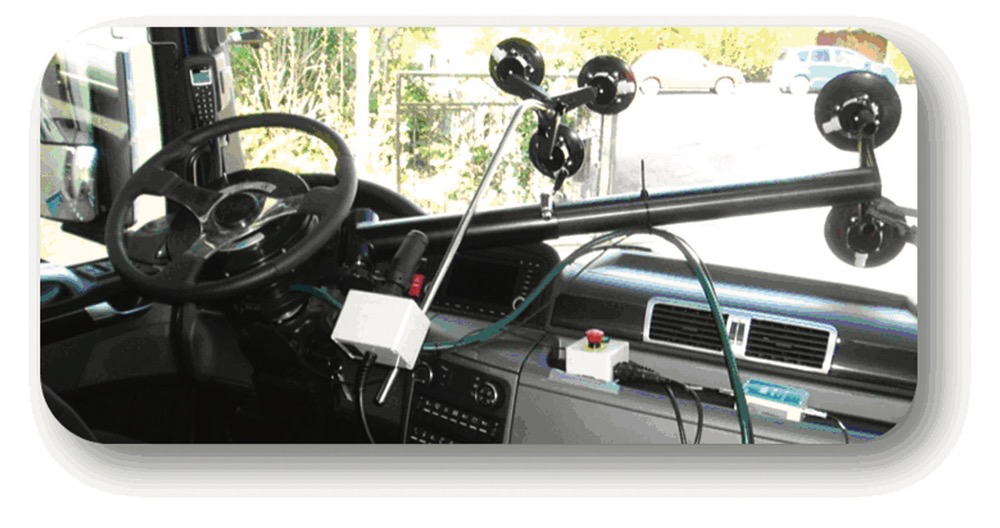
A torque reaction solution mounted on the front passenger seat bolts, without a torque measurement sensor (it can be estimated from the motor current or fitted with a cylindrical torque sensor, limited to the direct-installation SR30 and SR60). Other torque reaction mechanisms are also available: the standard type (with torque measurement, good driver visibility and secure installation), the S-type windshield installation, and the SR150-specific windshield mounting arm.
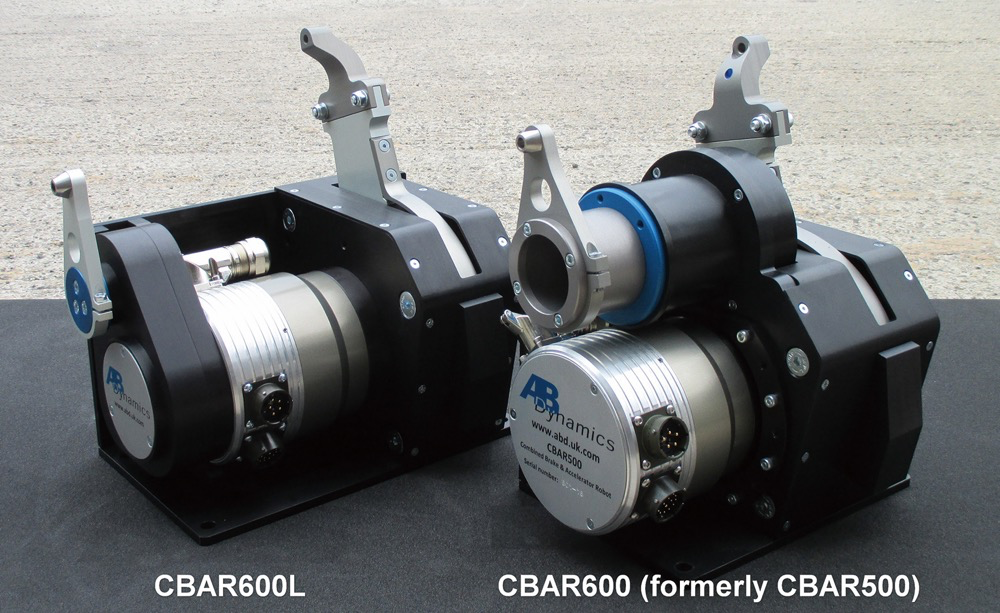
Brake pedal robots (CBR600L/CBR600/RBR1500/CBAR1000)
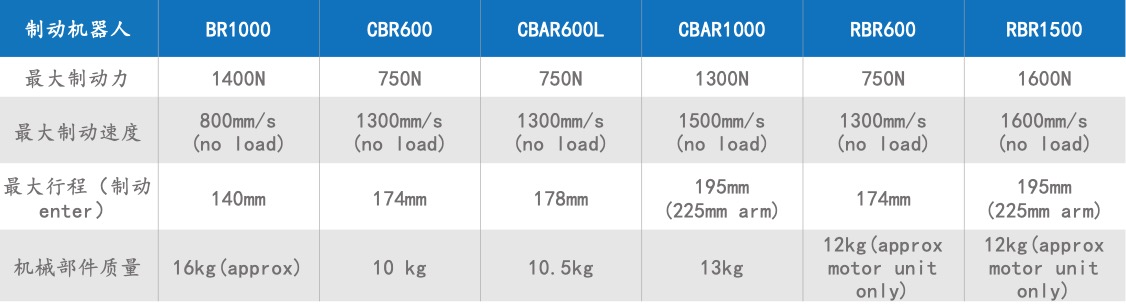
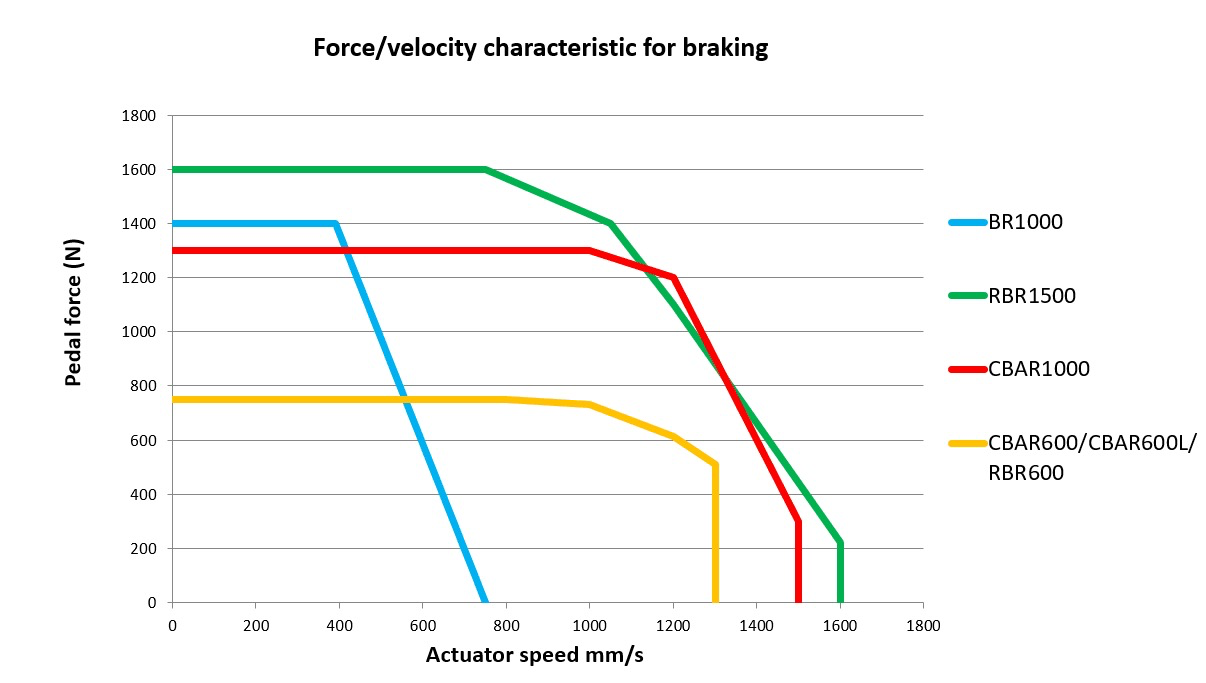
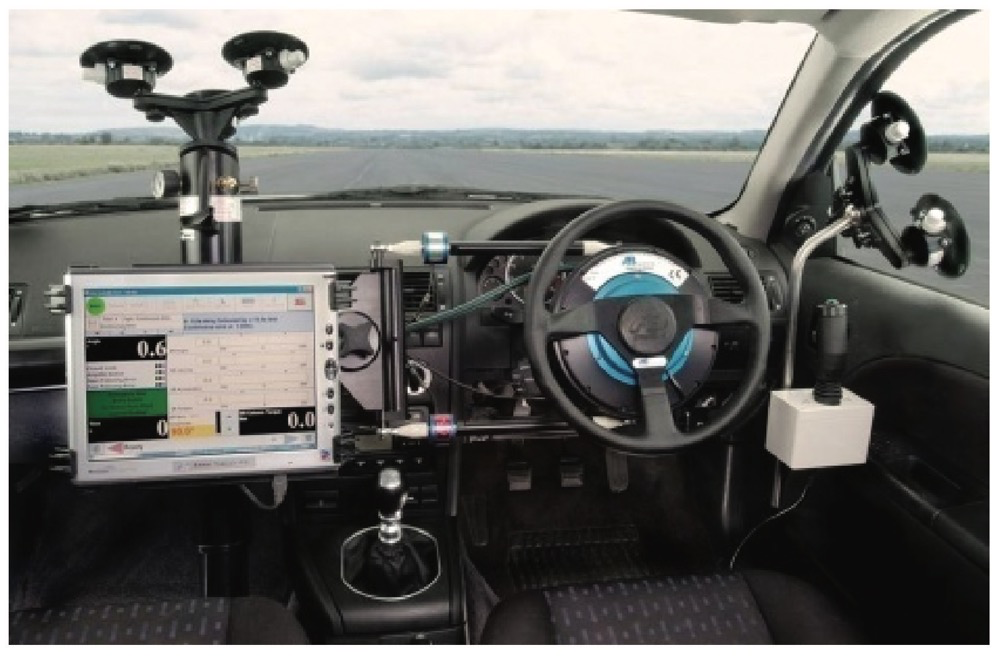
Applies input to the vehicle's brake pedal and performs precise, repeatable measurements on the road or in the laboratory, suitable for cars and trucks. The CBR600L/CBR600 have a maximum braking force of 750 N, the CBAR1000 1300 N and the RBR1500 1600 N; the maximum braking speed is up to 1600 mm/s (unloaded) and the maximum stroke up to 195 mm (225 mm arm). Built-in standard test templates such as BR Trapezoidal Step and BR External Follow are included, and it can be combined with the steering robot.
Throttle pedal robot (AR1)
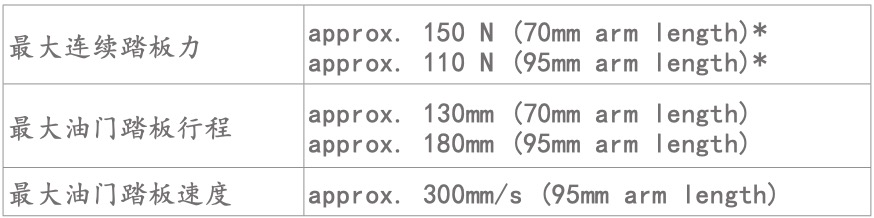
Provides precise throttle pedal control and accurate vehicle speed control, and can be used alone or combined with the steering robot and brake pedal robot. The maximum continuous pedal force is about 150 N (70 mm arm) / 110 N (95 mm arm), the maximum throttle pedal travel about 130 mm (70 mm arm) / 180 mm (95 mm arm), and the maximum pedal speed about 300 mm/s (95 mm arm). Built-in standard test templates include AR Speed Throttle Event and AR User Defined.
Gearshift robot and clutch robot
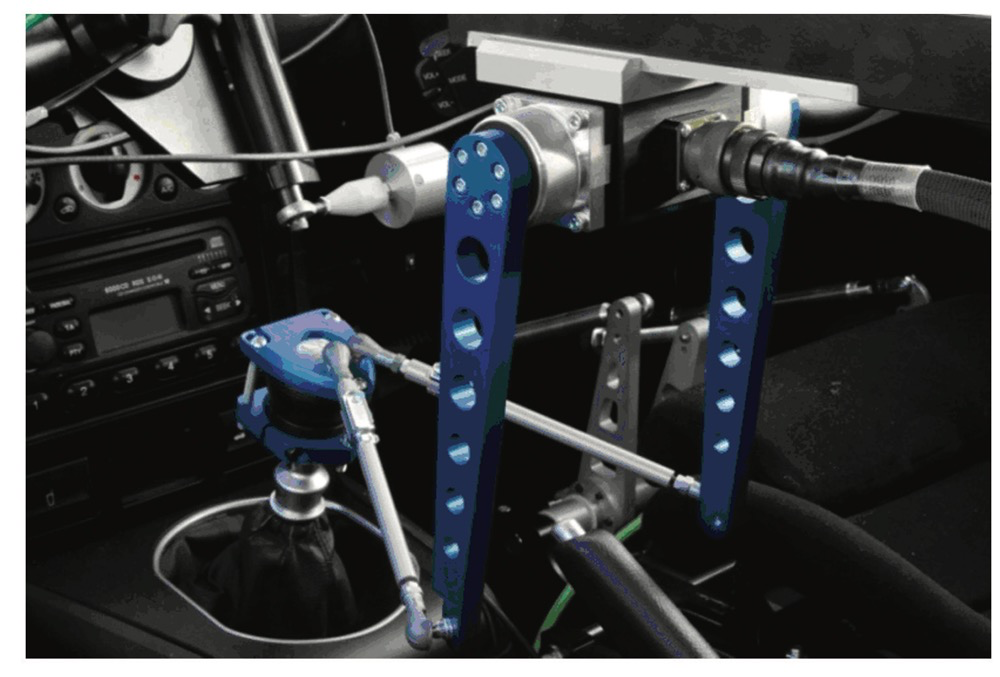
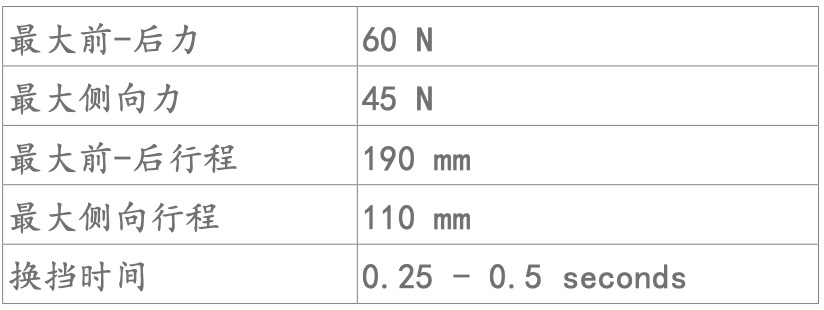
Mainly used for driverless testing of manually shifted vehicles. The gearshift robot uses two motors to control the shift lever in the X and Y directions (maximum fore-aft force 60 N, maximum lateral force 45 N, fore-aft stroke 190 mm, lateral stroke 110 mm, shift time 0.25 to 0.5 s); an optional single-motor version is available for shift control of automatic-transmission vehicles; the clutch robot has two types, used with the CBAR or with the BR/AR respectively, with a maximum force of 0 to 250 N and a maximum stroke of 0 to 140 mm.
Driverless testing system
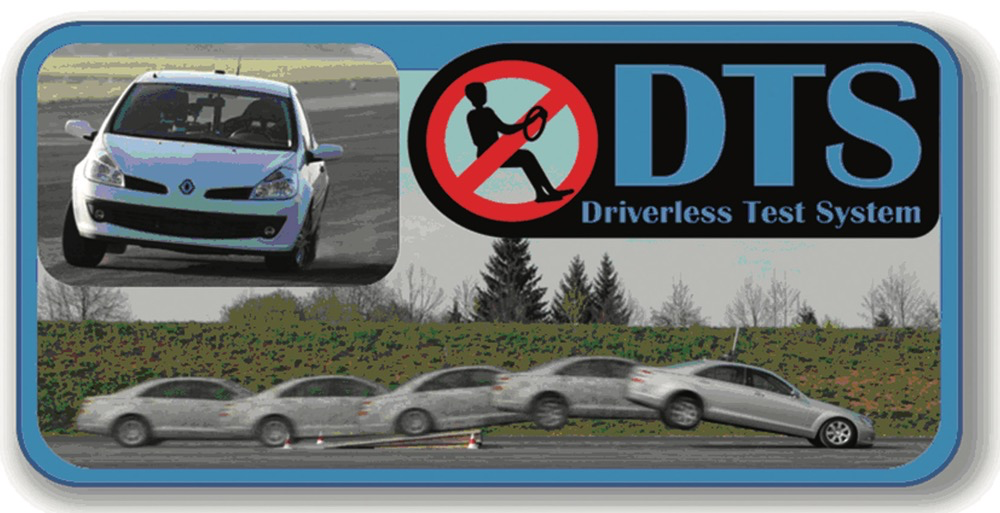
A driverless testing solution integrating the steering robot, brake pedal robot, throttle pedal robot, clutch/gearshift robot and path-following function, enabling driverless testing without an occupant on board and reducing test personnel risk; it is mainly applied to vehicle dynamics testing, ADAS testing, abuse testing and durability testing.
Product Images